BLOG
In our blog we have collated a select few experiences that may help you assess if our skillset can assist your organisation.
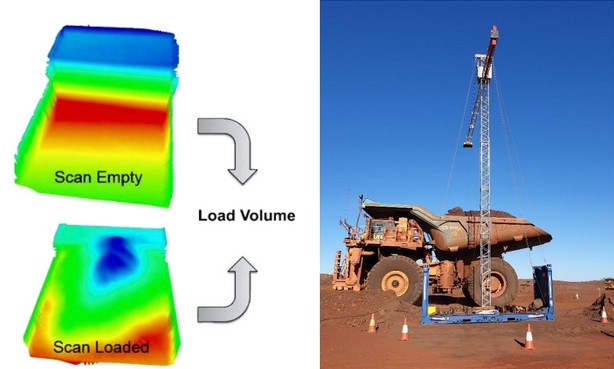
Mining companies define loading targets by weight, but ultimately move material by volume. The goal is to shift a quantity of material as efficiently as possible, making the relationship between weight and volume — material density — essential for operational efficiency.
Understanding Material Density
Material density changes as it moves through the mining process — from blasting at the face through to hauling on trucks. Accurately knowing how these densities change has important planning implications and enables more precise target payloads and scheduling.
Volumetric Efficiency
Determining whether trucks can achieve target payloads given material density constraints is critical. A truck may be rated for a certain weight, but if the material is light and bulky, the tray fills before the weight target is reached. Understanding this relationship allows operations to set realistic and optimised loading targets.
Carry-Back Monitoring
Verifying that truck trays are truly empty between loads is particularly important for autonomous operations. Residual material — carry-back — reduces effective payload capacity and can accumulate over time, impacting fleet productivity.
Real-Time 3D Volumetric Scanning
Reliable Software Solutions addresses these challenges with real-time 3D volumetric scanning technology using time-of-flight sensors, integrated weight data systems, and online analytics platforms that allow users to drill down into specific load details.
Accurate and reliable production data is a highly valuable asset for mining decision-making at all operational levels. By combining weight and volumetric data, mines gain a complete picture of material movement — enabling smarter planning, better fleet utilisation, and improved operational outcomes.
Originally published on LinkedIn — November 23, 2023.
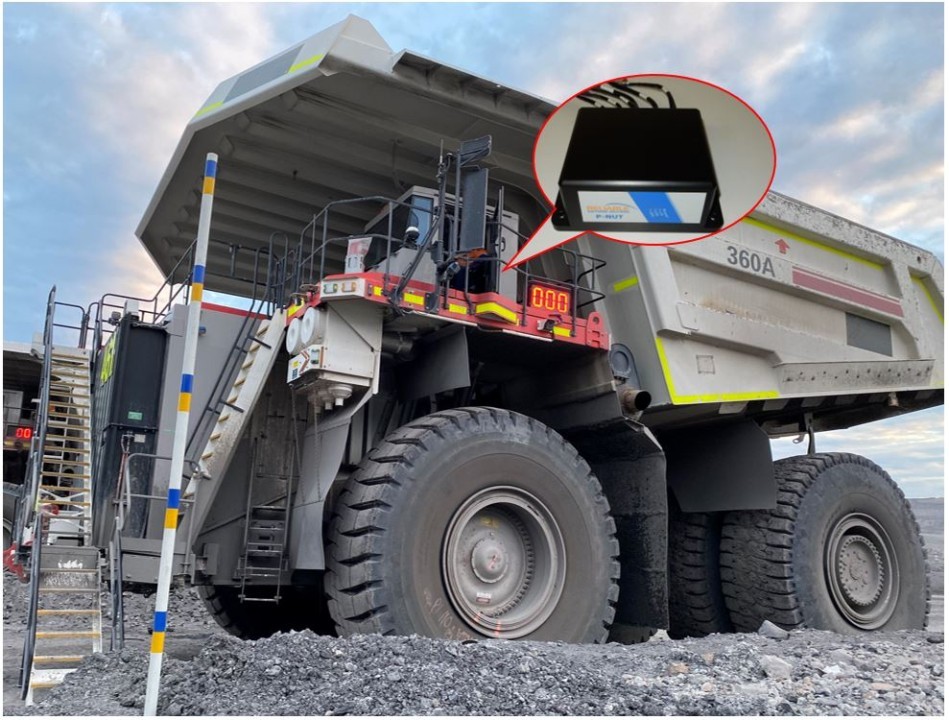
Protocol Converter On-board for Real-Time Payload and Maintenance data transmission
A protocol converter functions as a translation mechanism for data communication protocols. These real-time electronic devices are custom-programmable to convert standard or proprietary protocols from one device into a compatible format for another, enabling previously incompatible systems to interact — essentially acting as a data "gateway" or data "bridge" for incompatible equipment.
Applications
Reliable Software Solutions has deployed customised firmware solutions on mining equipment including:
- Mining Haul Trucks
- Drill Rigs
- Loaders
- Diggers
- Lighting Plant
Our engineers collaborate with Original Equipment Manufacturers, machinery dealers, and end users to develop connectivity solutions.
Case Study: Mining Fleet Challenge
A large multinational mining operation faced a critical problem: their mixed haul truck fleet couldn’t transmit production and health data from onboard weigh systems to their central Mine Management software. They were essentially operating "blind", hindering their ability to make timely decisions about productivity and maintenance requirements.
Solution
Custom ‘C’ firmware was developed to translate data from truck-side interfaces (RS-232/CAN) into dispatch-system-compatible formats (Ethernet or Serial).
Outcome
The entire haul truck fleet successfully transmitted real-time weight and machine health information, enabling consistent operational reporting across the business unit.
Originally published on LinkedIn — February 9, 2024.

Reliable Software Solutions were engaged by a client to conduct a Specialist Weight Study. The aim of the weighing project was to assess the combination weight of a Komatsu PC 4000 Series Excavator transported with a Caterpillar 793 Haul Truck utilising the SLEIPNIR transport system.
Reliable Software Solutions were able to formulate safety documentation and site planning for the study, ensuring a safe and accurate site setup for the complex
procedure, which necessitated the setup and utilisation of two of the worlds largest OTR (Off the Road) Scales Systems within tight timelines due to operational parameters.
The study was conducted safely and successfully while also being credited as being the first time that this in-situ testing of the largest SLEIPNER system had been conducted world wide. The success was ensured by our experienced staff who pride themselves on data accuracy and strive for perfection from the preparation and setup stage, through the data gathering phase, right through to the final comprehensive reporting.

Many mine sites have issues with Carryback in their haul truck fleets. Knowledge of how carryback impacts on the daily operation of a mine fleet is important for operational optimization. Reliable Software Solutions were brought in by a client to participate in the planning and execution of a highly targeted longitudinal study designed to examine carryback accumulation over various truck tray types in a selected material. The study utilised OTR scales and was augmented with the addition of Reliable Software Solutions TruckScan I.T. volumetric system and proprietary software. Weight and volume data was gathered for the selected trucks over this longitudinal study providing quantifiable data enabling an accurate comparison between separate tray types.
Through our staffs’ tireless focus on accuracy throughout the process, from planning and site installation through to data gathering and analysis for reporting, Reliable Software Solutions was able to provide a complete picture with accurate and quantifiable data analysed and reported to the client, successfully exceeding site expectations.
All mine sites deal with materials of differing densities. Accurately knowing how these densities change when material is dug from the face and being hauled on the trucks can have important planning implications.
Reliable Software Solutions, using OTR scales and our TruckScan I.T. volumetric system and proprietary software, was able to assist a client by conducting a targeted density study on a specific material block of free dig clay waste.
Our involvement from planning through to the final reporting, our accurate and quantifiable data, ensured confidence when the final results were integrated into the sites planning scheme with target payloads and planning schedules being amended to match the measured results.